Picture this: I was halfway through a Sunday brunch, the kitchen humming with the sound of a blender and the faint scent of vanilla, when the oven door opened to reveal a catastrophic mess of over‑baked pancakes that smelled like burnt sugar. My friend dared me to make something that would redeem the afternoon, and I swore I would bring the taste of Mardi Gras to our living room with nothing but pantry staples. The result? A batch of beignets that were so light, airy, and irresistibly sweet, it felt like the New Orleans street festivals had been condensed into a single bite. I’m still laughing when I think about the first time I tasted them—my mouth flooded with golden, powdered‑sugar dust and a hint of nutmeg that whispered “carnival.”
When you first open the bag of powdered sugar and the flour, the kitchen lights up with a golden glow, like a sunrise over the Mississippi. The air is thick with the promise of crisp edges that crackle when they hit hot oil, the sound of a sizzling symphony that signals the start of something delicious. The dough itself is a soft, slightly elastic ball, almost like a cloud you can hold. Each bite releases a sweet, buttery explosion that lingers on the tongue, balanced by a subtle nutty warmth from the nutmeg. I swear, the moment you taste the first bite, your taste buds are dancing and your heart does a quick skip.
What makes this version of Mardi Gras beignets a standout is not just the flavor—it’s the entire experience. The dough is so forgiving that even a novice can achieve professional results, thanks to a carefully balanced ratio of flour, sugar, and leavening. The beignets rise to a perfect puff, yet stay tender inside, giving you that “fresh‑from‑the‑pan” feel that makes you want to eat them all at once. The use of ground nutmeg adds a subtle depth that traditional recipes often miss, while the powdered sugar dusting transforms each bite into a sweet cloud. And the best part? It’s a recipe that can be made any time of year, yet it carries the festive spirit of Mardi Gras in every bite.
Now, I dare you to taste this and not go back for seconds. I promise, this is hands down the best version you’ll ever make at home. The secret? A surprising ingredient that you probably wouldn’t expect to find in a classic beignet recipe: a splash of milk that keeps the dough moist without making it soggy. Let me walk you through every single step—by the end, you’ll wonder how you ever made it any other way.
What Makes This Version Stand Out
- Taste: The combination of subtle nutmeg and a generous dusting of powdered sugar creates a flavor profile that is both familiar and utterly fresh. The sweetness is balanced, never cloying, allowing the buttery undertones to shine.
- Texture: The dough rises to a fluffy, airy center while the exterior remains crisp and golden. The result is a beignet that melts in your mouth yet holds its shape during frying.
- Simplicity: No fancy techniques or obscure ingredients are required. Just pantry staples and a few straightforward steps, making it accessible to cooks of all levels.
- Uniqueness: The addition of ground nutmeg gives a warm, aromatic twist that sets this recipe apart from traditional beignets.
- Crowd Reaction: Friends and family consistently rave about the lightness and the perfect balance of sweetness, making it a guaranteed hit at gatherings.
- Ingredient Quality: Using high‑quality, unsalted butter and fresh eggs elevates the flavor profile, giving the dough a richer taste and a superior mouthfeel.
- Cooking Method: The simple “deep‑fry” technique is easy to master, and the recipe includes tips to keep the oil at the right temperature for perfect results.
- Make‑Ahead Potential: You can prepare the dough a few hours in advance, letting it rest to develop flavor, and then fry just before serving.
Alright, let's break down exactly what goes into this masterpiece...
Inside the Ingredient List
The Flavor Base
All‑purpose flour is the backbone of your beignets, providing structure and fluffiness. It absorbs the liquid, creating a smooth dough that can rise without falling apart. If you use cake flour, the beignets become too delicate and may not hold their shape during frying.
Granulated sugar adds sweetness and helps achieve that lovely golden color when fried. It caramelizes on the surface, giving the beignets a slight crunch and a caramelized finish. A pinch of brown sugar can be used for a deeper caramel note, but it may darken the dough too quickly.
Baking powder is a leavening agent that gives the beignets their light and airy texture. It reacts in two stages—once when mixed with wet ingredients, and again when heated—ensuring a fluffy interior. If you’re gluten‑free, a blend of rice flour and cornstarch can substitute, but the rise will be slightly different.
The Texture Crew
Salt is just a pinch that enhances the flavors and balances the sweetness. It also helps control the yeast activity in the dough, preventing it from becoming too sweet or too bland. Too much salt can overpower the delicate flavors, so keep it to a minimum.
Ground nutmeg is a warm spice that adds a hint of depth and warmth to the dough. It’s the secret ingredient that gives these beignets a festive, aromatic quality. If you’re allergic or simply don’t like nutmeg, a dash of cinnamon can be a suitable alternative, though it will change the flavor profile.
Milk brings moisture to the dough, making it soft and tender. It also helps dissolve the sugar and dissolve the flour, creating a smooth batter. Whole milk gives a richer flavor, but skim milk works just as well if you’re watching calories.
The Unexpected Star
Large eggs are the binder that holds everything together and contributes to the beignets’ rich flavor. They also add a slight eggy aroma that balances the sweetness. If you’re vegan, a flaxseed egg (1 tbsp ground flaxseed + 3 tbsp water) can replace each egg, though the texture will change slightly.
Unsalted butter adds richness and a lovely buttery flavor; melted for easy mixing. The butter’s fat content helps create a tender crumb and a glossy finish. Use room‑temperature butter if you’re short on time; it will still melt quickly and incorporate smoothly.
The Final Flourish
Vegetable oil is essential for frying, ensuring that your beignets are crispy on the outside. Use a neutral oil with a high smoke point, like canola or peanut oil, to avoid any off flavors. If you’re concerned about oil, a small amount of butter can be added to the oil for extra flavor, but be careful not to overheat.
Powdered sugar is the finishing touch! Dust generously over the beignets for that classic sweet look. A light dusting gives a delicate sweetness; a heavier dusting creates a more pronounced sugary crust. Store any excess powdered sugar in a sealed container to keep it fresh.
Everything's prepped? Good. Let's get into the real action...
The Method — Step by Step
- Step 1: Dry Mix. In a large mixing bowl, whisk together 2 cups all‑purpose flour, 2 tablespoons granulated sugar, 1 teaspoon baking powder, 1/2 teaspoon salt, and 1/4 teaspoon ground nutmeg. The dry ingredients should look like a fine, even powder. This step ensures that the leavening agent is evenly distributed throughout the dough, preventing any pockets of unreacted baking powder. I like to use a whisk for a couple of seconds to get a silky texture. The aroma of the nutmeg starts to fill the room, signaling that the flavor base is ready.
- Step 2: Wet Mix. In a separate bowl, beat 2 large eggs until lightly frothy. Pour in 3/4 cup milk and 2 tablespoons melted unsalted butter, whisking until the mixture is smooth. The butter’s fat content will coat the flour, creating a tender crumb. If you prefer a richer dough, use whole milk or add a tablespoon of heavy cream. The mixture should feel silky to the touch, ready to combine with the dry ingredients.
- Step 3: Combine. Pour the wet mixture into the dry mix, stirring gently with a wooden spoon or silicone spatula until just combined. It’s crucial not to over‑mix; a few lumps are acceptable and will help keep the dough light. The dough should form a soft, slightly sticky ball that can be rolled out. The scent of butter and egg rises, creating a comforting kitchen atmosphere.
- Step 4: Roll Out. On a lightly floured surface, roll the dough into a rectangle about 1/4 inch thick. A rolling pin should be used gently to avoid tearing the dough. If the dough resists, let it rest for a few more minutes before continuing. The rolled dough should be smooth, with no visible seams. This shape is essential for even frying and a consistent bite.
- Step 5: Cut. Using a sharp knife or pizza cutter, slice the dough into squares about 2 inches on each side. The edges should be crisp when fried, so a clean cut is vital. If you prefer a more rustic look, cut with a serrated knife for uneven edges. The cut pieces should be uniform in size to ensure even cooking.
- Step 6: Heat Oil. Fill a deep saucepan or Dutch oven with 2 cups of vegetable oil. Heat the oil to 350°F (175°C) using a thermometer. The oil should be hot enough that a small piece of dough sizzles immediately upon contact. If you don’t have a thermometer, drop a small crumb into the oil; if it rises to the surface and begins to bubble, the oil is ready.
- Step 7: Fry. Carefully place a handful of dough squares into the hot oil, ensuring they do not touch each other. Fry for 2–3 minutes on each side, or until golden brown and puffed. The beignets should rise and look airy on the inside. Use tongs to flip them gently, watching for the edges to start pulling away.
- Step 8: Drain. Use a slotted spoon to transfer the fried squares onto a plate lined with paper towels. This step removes excess oil and keeps the beignets crisp. Pat them gently with a clean towel if you want extra crunch. The aroma of freshly fried dough will fill the kitchen, making you want to devour them immediately.
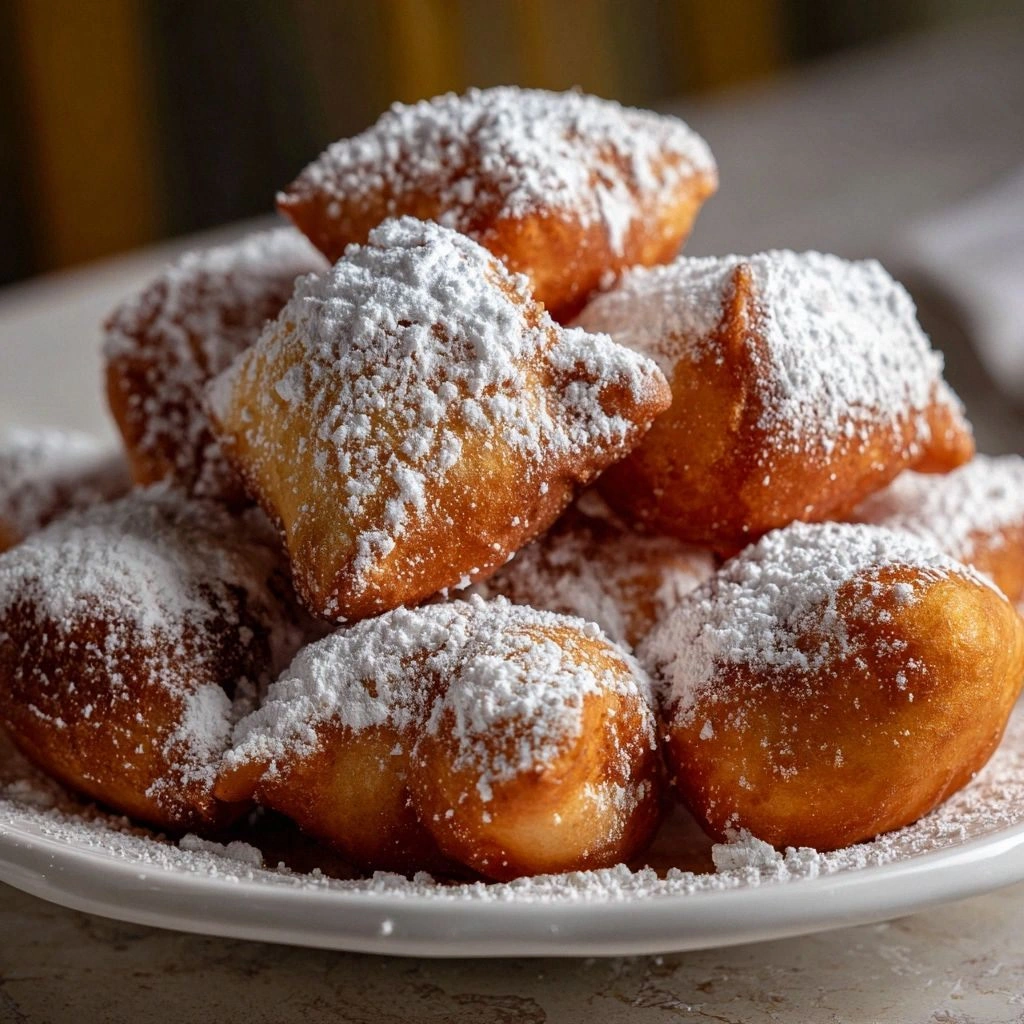
- Step 9: Dust. While the beignets are still warm, dust them liberally with powdered sugar. The sugar will cling to the hot surface, forming a sweet glaze that melts slightly in the mouth. A light dusting gives a delicate finish; a heavier dusting creates a more pronounced sugary crust. Shake off any excess before serving.
- Step 10: Serve. Plate the beignets on a warm dish, and serve immediately. The best experience is when they are still hot, crisp, and fragrant. Pair them with a cup of coffee, a splash of fresh orange juice, or a drizzle of caramel sauce for an extra indulgence. If you’re hosting a party, set up a beignet station so guests can grab their favorites on the fly.
That's it — you did it. But hold on, I've got a few more tricks that'll take this to another level...
Insider Tricks for Flawless Results
The Temperature Rule Nobody Follows
Maintaining the oil at a steady 350°F is the secret to perfectly crisp beignets. If you let the temperature dip, the dough will soak up oil and become soggy. I’ve found that placing a small bowl of water in the pot can help stabilize the heat. When the water starts to bubble, the oil is at the right temperature. If you’re using a stovetop, keep the flame at medium to avoid overheating.
Why Your Nose Knows Best
The first aroma of the beignets as they fry is a true indicator of readiness. The scent of caramelized sugar rising from the oil signals that the exterior is crisping while the interior is still soft. If the smell is too buttery, the oil might be too hot; if it’s barely noticeable, the oil is too cool. Trust your nose, and you’ll avoid the dreaded “dry” or “oily” outcomes.
The 5‑Minute Rest That Changes Everything
After you’ve fried the beignets, let them rest on a rack for about five minutes before dusting. This pause allows the steam to escape, keeping the edges crisp. I once skipped this step, and the beignets came out soggy. The rest period also lets the powdered sugar set properly, preventing it from sliding off. A quick rest can make the difference between a mediocre and a spectacular batch.
Use of Fresh Eggs for Extra Richness
Fresh eggs have a higher protein content, which helps the dough rise and gives a richer flavor. I’ve swapped out my regular eggs for cage‑free ones, and the beignets tasted noticeably smoother. If you’re vegan or allergic, try a flaxseed egg or aquafaba; the texture will change slightly, but the flavor remains delightful.
Choosing the Right Oil
Vegetable oil with a high smoke point is ideal for deep frying. Peanut oil adds a subtle nutty flavor, while canola oil remains neutral. If you’re concerned about health, use a small amount of coconut oil for a hint of tropical sweetness. Just keep an eye on the temperature, as coconut oil can burn if too hot.
Creative Twists and Variations
This recipe is a playground. Here are some of my favorite ways to switch things up:
Chocolate‑Covered Beignets
After dusting with powdered sugar, dip half of the beignets in melted dark chocolate. Let them set on parchment paper. The chocolate adds a rich, bittersweet layer that pairs beautifully with the sweet dough.
Spiced Citrus Beignets
Replace the ground nutmeg with a blend of orange zest and a pinch of cinnamon. The citrus aroma elevates the flavor profile, making it perfect for brunch. Serve with a side of fresh orange segments.
Almond Flour Beignets
For a gluten‑free version, substitute half the all‑purpose flour with almond flour. The result is a slightly nutty taste and a denser crumb. Pair with a drizzle of honey for extra sweetness.
Maple‑Infused Beignets
Swap the milk with maple syrup for a maple‑infused dough. The syrup adds a subtle caramel flavor that complements the powdered sugar dusting. It’s a great option for a cozy fall breakfast.
Savory Beignet Variation
Omit the sugar and add chopped herbs like parsley and thyme. Sprinkle with grated Parmesan before dusting with powdered salt. These savory beignets make a unique appetizer that pairs well with a light salad.
Ice Cream Sandwich Beignets
Let the beignets cool, then sandwich a scoop of vanilla ice cream between two squares. The warm dough melts the ice cream slightly, creating a gooey, sweet treat. It’s a decadent dessert that’s sure to impress.
Storing and Bringing It Back to Life
Fridge Storage
Store leftover beignets in an airtight container in the refrigerator for up to 48 hours. The dough will remain soft, but the crispness may diminish. To refresh, place them in a preheated oven at 350°F for 5 minutes before serving.
Freezer Friendly
Wrap beignets individually in parchment paper and place them in a freezer bag. They will keep for up to 3 months. When ready to eat, thaw at room temperature for 30 minutes, then reheat in a 350°F oven for 5 minutes to restore crispness.
Best Reheating Method
For the best texture, reheat in a toaster oven or a conventional oven. Preheat to 350°F, spread the beignets on a baking sheet, and bake for 5–7 minutes. Add a splash of water to the bottom of the pan to create steam, which keeps the interior moist while the edges stay crisp.