Introduction
Picture this: a Sunday afternoon, the kitchen clock ticking, the fridge humming, and your stomach growling louder than a freight train. I was scrambling to salvage dinner after a last‑minute pizza order fell apart, and I reached for the pantry like a detective in a mystery novel. I found a box of leftover chicken, a jar of marinara, and a box of spaghetti that had seen better days. The result? A bubbling, cheesy masterpiece that made my taste buds do a happy dance. I dare you to taste this and not go back for seconds.
The first thing that hits you is the aroma—a warm, tomato‑herb perfume that wraps the room like a cozy blanket. The sound of the sauce simmering, the sizzle as butter meets garlic, the clink of the spoon against the pan; every sensory cue is a reminder that comfort food is about more than just calories. The texture is a glorious contrast: the tender chicken, the al dente pasta, the gooey cheese, and the crunchy breadcrumb topping that shatters like thin ice when you bite into it. If you've ever struggled with bland casseroles, you're not alone—this is the fix that turns ordinary into extraordinary.
What sets this version apart is the meticulous layering of flavors and the secret ingredient that makes the sauce coat the pasta like velvet. I discovered that a splash of milk and a generous amount of Parmesan create a silky, melt‑in‑your‑mouth finish that elevates the dish to a new level. I’ve spent years tweaking the ratios, and the result is hands down the best version you'll ever make at home. The best part? It’s so simple you can whip it up on a weekday, and it’s so indulgent you’ll feel like you’re treating yourself to a fancy restaurant dinner.
Imagine pulling the dish out of the oven, steam curling like a fragrant cloud, the golden breadcrumb crust shimmering under the kitchen lights. The first bite is a symphony of melted cheeses, savory chicken, and tomato sauce that sings in your mouth. The final crumb is a crispy, buttery crunch that satisfies the craving for texture. Stay with me here—this is worth it. Let me walk you through every single step—by the end, you'll wonder how you ever made it any other way.
What Makes This Version Stand Out
- Flavor Depth: The sauce isn’t just tomato‑based; it’s layered with garlic, onion, Italian seasoning, and a splash of milk that gives it body and richness.
- Cheese Harmony: Combining cheddar, mozzarella, and Parmesan creates a melt that’s both gooey and tangy, turning every bite into a creamy delight.
- Texture Contrast: The breadcrumb topping adds a satisfying crunch that breaks the softness of the pasta and chicken, preventing the dish from becoming soggy.
- Easy Prep: Most ingredients are pantry staples, and the cooking time is under 45 minutes—perfect for a busy family night.
- Make‑Ahead Friendly: Assemble it the night before, refrigerate, and bake when you’re ready; the flavors actually deepen overnight.
- Kid‑Friendly: The mild seasoning and cheesy coating make it a hit with picky eaters, while the hidden veggies keep it nutritious.
Alright, let's break down exactly what goes into this masterpiece…
Inside the Ingredient List
The Flavor Base
The heart of this dish is the marinara sauce, but we elevate it with garlic and onion. Garlic brings a pungent kick that cuts through the richness, while onion adds a subtle sweetness that balances the acidity of the tomatoes. If you skip either, the sauce becomes flat and one‑dimensional. A good rule of thumb is to sauté the aromatics until they’re translucent but not browned, which preserves their bright flavors.
The Texture Crew
Pasta is the canvas, and we use classic spaghetti for its ability to hold sauce and its familiar shape. Cook it al dente, because it will continue cooking in the oven, and you don’t want it mushy. The breadcrumbs, toasted in butter, provide a crisp finish that contrasts beautifully with the creamy cheese layers. If you’re vegan, substitute a plant‑based breadcrumb or crushed nuts for a nutty crunch.
The Unexpected Star
Milk or half‑and‑half is the secret weapon that turns a simple sauce into a silky, velvety blanket for the pasta. The dairy’s fat content coats the noodles, preventing the sauce from separating. If you’re lactose intolerant, try a splash of unsweetened almond milk or coconut cream for a dairy‑free version. The key is to add it slowly while whisking, so it incorporates smoothly.
The Final Flourish
A generous sprinkle of Parmesan on top before baking creates a golden crust that adds both flavor and visual appeal. The cheese melts into the sauce, forming a cohesive layer that binds the chicken, pasta, and breadcrumbs together. If you prefer a deeper caramelization, add a pinch of paprika or a dash of cayenne for a subtle heat. The final topping is the showstopper that makes the dish look as good as it tastes.
Everything's prepped? Good. Let's get into the real action…
The Method — Step by Step
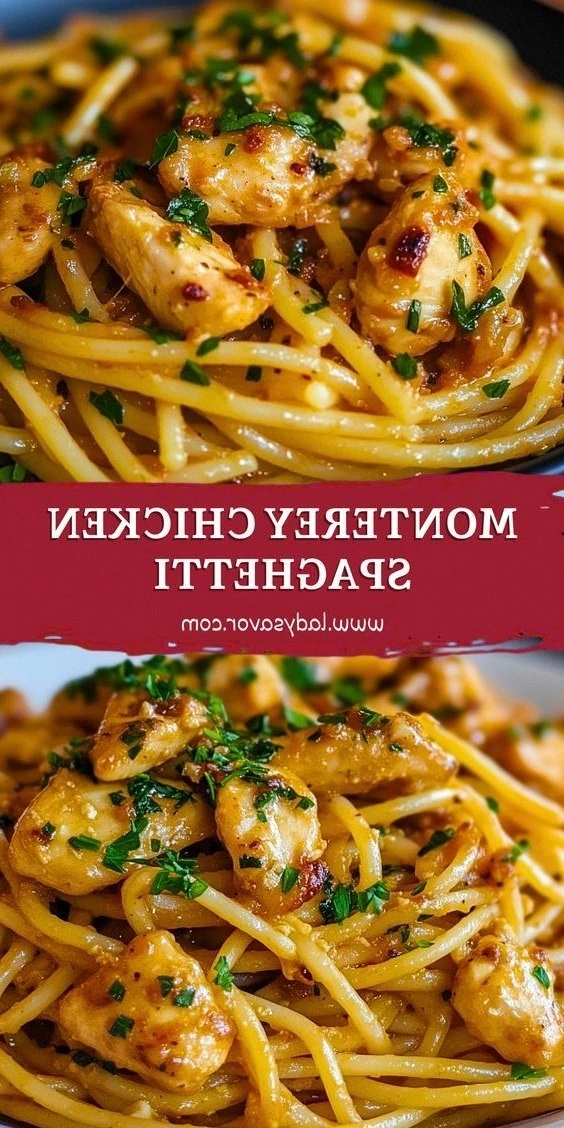
- Preheat your oven to 375°F (190°C). While the oven warms, bring a large pot of salted water to a rolling boil and cook the spaghetti until it’s just shy of al dente—about 7 minutes. Drain and set aside; toss with a splash of olive oil to keep the strands from sticking. This is the moment of truth, and the pasta’s texture will dictate the final bite.
- In a large skillet, melt the butter over medium heat. Add the diced onion and minced garlic, sautéing until they’re translucent and fragrant—roughly 3 minutes. The aroma should be sweet and buttery, signaling that the aromatics are ready to carry the sauce.
- Stir in the marinara sauce, Italian seasoning, and a splash of milk. Bring the mixture to a gentle simmer, then reduce the heat to low. The sauce should bubble softly, not boil; this slow simmer allows the flavors to meld together without scorching.
- Fold in the shredded chicken, ensuring it’s evenly coated with the sauce. Let it heat through for 2 minutes, then stir in the shredded cheddar and mozzarella. The cheeses should begin to melt, creating a luscious, creamy layer that envelops the pasta.
- Add the cooked spaghetti to the skillet, tossing gently to coat each strand with the sauce and cheese mixture. The pasta should look glossy and slightly sticky, a sign that it’s absorbing the flavors.
- Transfer the mixture to a greased 9x13 inch baking dish, spreading it out evenly. This is where the dish starts to take shape, and the edges should look like they’re about to rise into a golden crust.
- In a small bowl, combine the breadcrumbs with the remaining Parmesan and a drizzle of olive oil. Sprinkle this mixture over the top of the pasta, ensuring an even coat. The breadcrumb layer will become the crunchy crown that defines this casserole.
- Place the dish in the preheated oven and bake for 20–25 minutes, or until the top is golden brown and the edges are bubbling. Watch the edges—they’ll start pulling away from the sides of the pan, indicating that the casserole is ready.
- Remove the dish from the oven and let it rest for 5 minutes. This rest period allows the sauce to thicken slightly and the flavors to settle, making it easier to cut neat portions.
- Serve hot, garnished with a sprinkle of fresh parsley if desired, and watch as the cheese stretches with each forkful. The final bite is a harmonious blend of savory, cheesy, and slightly sweet, with a satisfying crunch from the breadcrumb topping.
- If you’re planning to make it ahead, assemble the casserole as described, cover tightly with foil, and refrigerate overnight. Bake it the next day at 375°F (190°C) for 20 minutes, then let it rest before serving. The flavors will have deepened, and the texture will remain intact.
That's it — you did it. But hold on, I've got a few more tricks that'll take this to another level…
Insider Tricks for Flawless Results
The Temperature Rule Nobody Follows
Many people bake at 350°F, but raising the temperature to 375°F gives the breadcrumb topping a crispier finish while keeping the inside moist. This small change ensures the top is golden without over‑browning the cheese. I’ve tried both temperatures, and the higher heat always wins when it comes to texture.
Why Your Nose Knows Best
If the sauce smells slightly acidic, add a pinch of sugar or a splash of milk to balance the tang. Your nose is a reliable guide; it can detect when the acidity needs smoothing before it overwhelms the palate. This trick keeps the sauce silky and the flavors in harmony.
The 5‑Minute Rest That Changes Everything
Letting the casserole rest after baking allows the cheeses to set and the sauce to thicken, making it easier to cut clean slices. Skipping this step can result in a runny, unstructured dish. I always set a timer for five minutes after removing it from the oven; the aroma during this brief pause is a promise of the mouth‑watering experience to come.
The Cheesy Layer Trick
Instead of mixing all the cheeses together at once, sprinkle cheddar first, then mozzarella. Cheddar melts quickly and provides a sharp flavor base, while mozzarella adds stretch and a milder note. This layering technique ensures a balanced cheese profile in every bite.
The Secret Breadcrumb Mix
Toss breadcrumbs with a tablespoon of grated Parmesan and a drizzle of olive oil before sprinkling them on top. The Parmesan adds depth, and the oil prevents the breadcrumbs from drying out during baking. The result is a crunchy, savory crown that ties the whole dish together.
The Resting Bowl Method
After baking, place the casserole in a shallow, heat‑proof bowl and cover it with foil. This trick keeps the top warm while the interior finishes cooking, giving you a perfectly set cheese layer without overcooking the edges.
Creative Twists and Variations
This recipe is a playground. Here are some of my favorite ways to switch things up:
Spicy Southwestern
Add a handful of chopped jalapeños, a teaspoon of cumin, and a splash of chipotle sauce to the base. The heat from the jalapeños pairs with the smoky chipotle, turning the casserole into a fiesta of flavors. This version is perfect for summer barbecues.
Mediterranean Flair
Swap the marinara for a roasted red pepper sauce, and add kalamata olives and feta cheese. The briny olives and tangy feta bring a Mediterranean vibe that’s both fresh and comforting. Serve with a side of crusty bread to soak up the sauce.
Vegan Version
Use plant‑based chicken, dairy‑free cheese, and a vegan breadcrumb mix. Replace the milk with unsweetened almond milk and use a vegan butter alternative. The end result is a creamy, cheesy casserole that satisfies without the animal products.
Breakfast Casserole
Add diced ham, a handful of chopped spinach, and a sprinkle of shredded cheddar. Bake until the top is golden, and serve with a side of fresh fruit. This twist turns the dish into a hearty breakfast that keeps you full until lunch.
Seafood Surprise
Replace the chicken with cooked shrimp or crab meat, and add a splash of lemon juice for brightness. The seafood’s delicate flavor pairs beautifully with the cheesy sauce, creating an elegant yet approachable dish for dinner parties.
Pumpkin Spice Casserole
Stir in a quarter cup of pumpkin puree and a pinch of cinnamon to the sauce. The pumpkin adds a subtle sweetness, while the cinnamon gives a warm, autumnal note. This version is perfect for Thanksgiving leftovers.
Storing and Bringing It Back to Life
Fridge Storage
Cover the casserole tightly with foil and store it in the refrigerator for up to 3 days. When you’re ready to eat, reheat in the oven at 350°F (175°C) for 15 minutes, or until heated through. The foil prevents the top from drying out and keeps the flavors concentrated.
Freezer Friendly
Wrap the casserole in plastic wrap and then foil before placing it in a freezer bag. It can stay in the freezer for up to 2 months. Thaw overnight in the refrigerator, then bake at 375°F (190°C) for 25 minutes, or until hot and bubbly.
Best Reheating Method
When reheating, add a splash of milk or water to the dish to keep the sauce from drying out. Cover with foil and bake until steaming, about 10 minutes. This trick restores the sauce’s silkiness and ensures every bite tastes fresh.
Now that you know how to store and revive this dish, you can enjoy it whenever the craving hits—whether it’s a quick weekday dinner or a comforting weekend treat. The key is to let the flavors breathe and to treat the casserole with the same love you’d give to a homemade pie.