I was in the middle of a culinary crisis when my friend dared me to create a dish that could turn a bland Sunday dinner into a headline-worthy event. The kitchen smelled of burnt garlic, but I was determined to turn that smoky sting into something spectacular. I pulled out a handful of beets, a stack of pappardelle, and a tray of fresh scallops that had just arrived from the market. The idea was simple: marry the earthiness of beet with the oceanic whisper of scallop, all wrapped in a silky, tangy sauce that would make every bite feel like a celebration. I knew this version would stand apart because it balances rustic and refined in a way that most recipes overlook. Let me walk you through every single step — by the end, you'll wonder how you ever made it any other way.
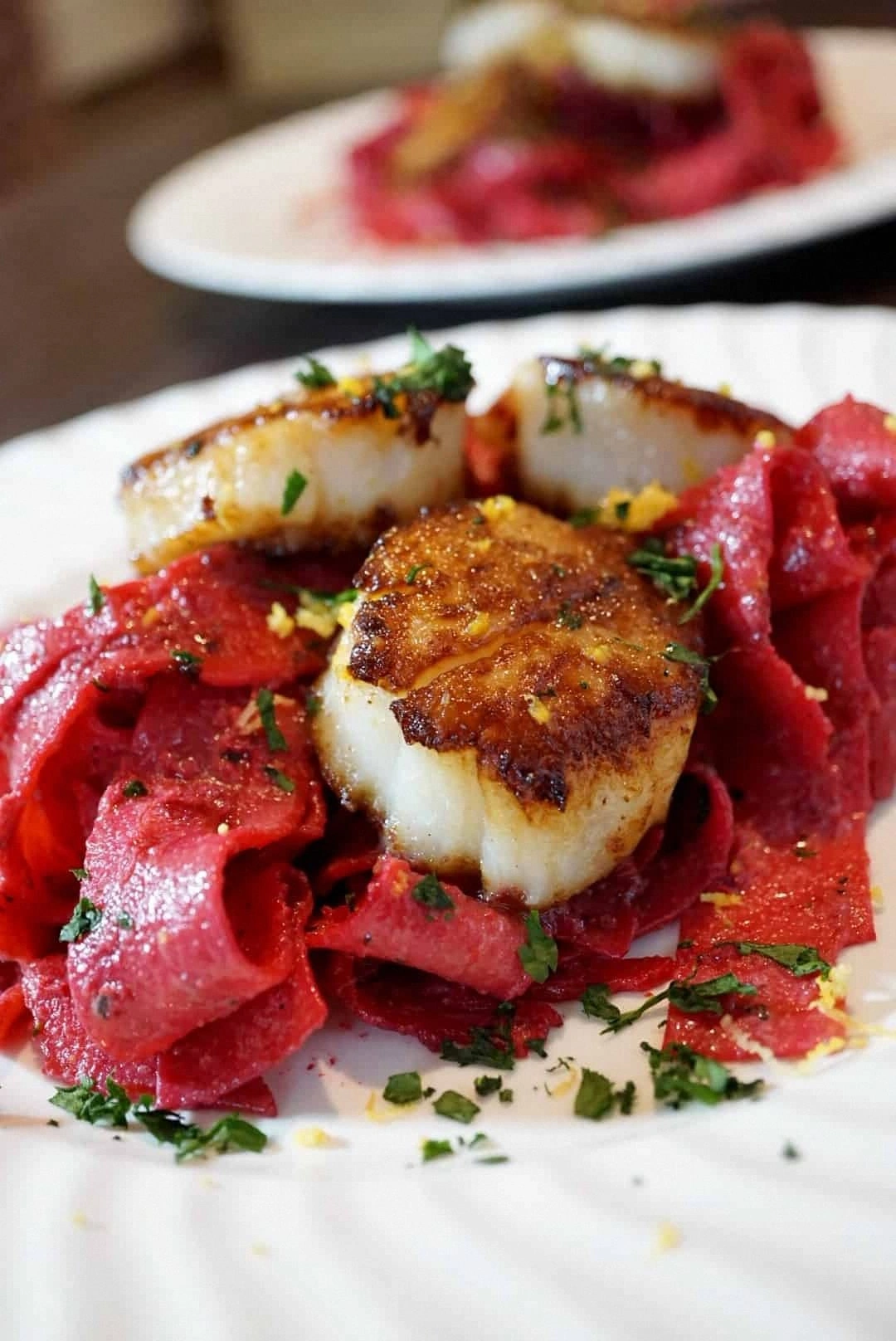
Picture the moment the beet sauce hits the pasta: it’s not just color, it’s a visual symphony. The deep crimson glistens like a secret garden, and the scent of roasted beets mingles with the briny perfume of scallops, creating a heady anticipation that makes your mouth water before you even take a bite. I’ve experimented with dozens of beet pasta recipes, but none have managed to capture that perfect balance of sweet, smoky, and savory. This dish is a game changer because it uses a simple vinaigrette that brightens the earthy beet without overpowering it. The scallops are pan‑seared to a golden crisp that shatters like thin ice, offering a satisfying contrast to the silky sauce. And the final flourish of fresh parsley and lemon zest lifts the whole plate into a bright, airy finish.
Most recipes get this completely wrong by either over‑cooking the scallops or under‑seasoning the beet sauce. I’ve seen scallops become rubbery when they’re over‑seared, and beet sauce that turns into a muddy soup when the vinegar is too harsh. That’s why I’ve perfected a technique that locks in the beet’s natural sweetness while allowing the scallops to maintain their delicate texture. The secret lies in the timing of the sear and the precise balance of acidity, which I’ll reveal in the method section. I dare you to taste this and not go back for seconds, because the flavor will linger long after the last forkful. And if you’re worried about the beet’s color fading, I’ve got a trick that keeps it vibrant until the very end.
I’ll be honest — I ate half the batch before anyone else got to try it. The moment the first scallop hit the pan, the kitchen filled with a sizzle that felt like applause. The aroma of caramelized onions, garlic, and beet rose in a wave that made my eyes water, but in a good way. The anticipation was almost unbearable, and I could hear the timer tick in my head. I kept my hands on the stove, not wanting to miss the moment when the sauce would transform the pasta into a velvet‑smooth canvas. This dish is hands down the best version you'll ever make at home, and I’m excited to share the details with you.
If you've ever struggled with plating beet pasta, you're not alone — and I've got the fix. The first step is to roast the beets until they’re caramelized and tender, which adds depth of flavor and a natural sweetness that cuts through the richness of the scallops. Next, you’ll need to create a vinaigrette that balances acidity and creaminess, ensuring the sauce coats the pasta like velvet. The scallops will be the showstopper, seared to a golden crust that keeps them juicy inside. And finally, a handful of fresh parsley and a squeeze of lemon will brighten the dish and bring everything together. Stay with me here — this is worth it. The end result is a dish that feels like a gourmet dinner, but you can make it in under an hour.
What Makes This Version Stand Out
- Bold Flavor: The beet sauce delivers a sweet, smoky depth that sets the dish apart from ordinary pasta. It’s balanced by a bright, acidic vinaigrette that cuts through richness.
- Texture Contrast: The scallops are seared to a crisp edge while remaining tender inside, creating a delightful mouthfeel that pairs perfectly with silky pasta.
- Visual Impact: The vibrant crimson of roasted beet sauce makes the plate pop, turning a simple dinner into a showpiece.
- Easy Prep: All steps are streamlined, so you can have a restaurant‑quality dish ready in under an hour.
- Make‑Ahead Friendly: The sauce can be prepared a day ahead and stored in the fridge, making it ideal for busy weeknights.
- Ingredient Quality: Using fresh, organic beets and hand‑picked scallops elevates the flavor profile beyond what store‑bought staples can achieve.
- Balanced Nutrition: The dish offers a good mix of protein, healthy fats, and complex carbs, making it a wholesome choice for a satisfying meal.
- Universal Appeal: Whether you’re a seasoned chef or a novice, the techniques here are approachable yet impressive.
Alright, let's break down exactly what goes into this masterpiece...
Inside the Ingredient List
The Flavor Base
The beet sauce is the heart of this dish. Roasting the beets caramelizes their natural sugars, giving the sauce a deep, earthy sweetness that pairs beautifully with the briny scallops. The vinaigrette, composed of apple cider vinegar, olive oil, and a touch of creme fraiche, introduces a bright acidity that balances the richness of the pasta and the scallops. Skipping the vinaigrette would leave the sauce too heavy, while omitting the beet entirely would strip the dish of its signature color and flavor.
If you’re short on time, you can use pre‑roasted beet puree from the grocery store, but homemade roasted beets provide a fresher, more vibrant taste. For a smoky twist, add a pinch of smoked paprika to the beet mixture. When selecting beets, look for firm, unblemished skins; they’ll roast evenly and release less water.
The Texture Crew
Pappardelle pasta is chosen for its wide, flat shape, which holds the beet sauce like a canvas. The scallops are the star of the texture game: seared to a golden crust on the outside, while remaining tender and juicy on the inside. Corn adds a sweet pop of crunch that contrasts the silky sauce and the soft scallops. Without the corn, the dish would feel too one‑dimensional, lacking the playful bite that makes every forkful interesting.
If you’re looking for a lower‑carb alternative, substitute zucchini noodles for the pappardelle. For a gluten‑free option, use a rice or quinoa pasta. Remember to reserve a cup of the pasta cooking water; it’s perfect for loosening the sauce if it becomes too thick.
The Unexpected Star
Creme fraiche is the unsung hero that gives the sauce a luxurious, velvety texture. It balances the acidity of the vinegar and the earthiness of the beet, creating a sauce that coats the pasta without feeling heavy. If you don’t have creme fraiche, a dollop of Greek yogurt or sour cream works as a substitute, but the flavor profile will shift slightly.
For a dairy‑free version, try coconut cream or a silken tofu blend. The key is to keep the sauce creamy yet light, so that the scallops’ delicate flavor remains front and center. The creme fraiche also adds a subtle tang that brightens the overall dish.
The Final Flourish
Fresh parsley and a squeeze of lemon juice add a bright, herbal finish that cuts through the richness. The parsley provides a pop of color and a mild peppery note, while the lemon delivers a citrusy brightness that lifts the entire plate. Without these finishing touches, the dish would feel flat and over‑rich.
If you’re vegan, simply omit the butter and use a splash of olive oil for the sear; the dish will still shine. For a more indulgent version, add a splash of white wine to the scallops after searing, creating a subtle sauce that mingles with the beet vinaigrette.
Everything's prepped? Good. Let's get into the real action...
The Method — Step by Step
- Preheat your oven to 400°F (200°C). Slice the beets into 1/2‑inch cubes, drizzle them with olive oil, and season with sea salt. Spread the cubes on a baking sheet and roast for 25–30 minutes, or until they’re tender and caramelized. The key is to let the beets develop a deep, sweet flavor without burning.
- While the beets roast, bring a large pot of salted water to a boil. Add the pappardelle and cook until al dente, about 8–10 minutes. Reserve 1 cup of the pasta water before draining; this starchy liquid will help loosen the sauce later.
- In a blender, combine the roasted beets, apple cider vinegar, olive oil, and a pinch of salt. Blend until smooth, then stir in the creme fraiche until the sauce is silky and evenly coated. If the sauce feels too thick, add a splash of the reserved pasta water to reach your desired consistency.
- Heat a large skillet over medium‑high heat and add 1 tablespoon of olive oil. Pat the scallops dry with paper towels to ensure a good sear. Season each scallop with salt and pepper, then place them in the skillet. Cook for 1–2 minutes on each side until a golden crust forms and the edges begin to pull away from the pan.
- Add the corn kernels to the skillet with the scallops. Toss gently, letting the corn toast for 2 minutes. The corn’s natural sweetness will complement the beet sauce and add a delightful crunch.
- Reduce the heat to medium and pour the beet sauce over the scallops and corn. Gently stir to coat everything evenly, allowing the sauce to thicken slightly. The sauce should coat the pasta like velvet, not cling.
- Add the cooked pappardelle to the skillet, tossing to combine. If the mixture feels dry, drizzle a little more pasta water. The pasta should be glossy, with the sauce clinging to each strand.
- Finish with a drizzle of unsalted butter, a squeeze of fresh lemon juice, and a handful of chopped parsley. Toss everything together, letting the butter melt into the sauce for a glossy finish.
- Plate the dish immediately, garnishing with extra parsley and a lemon wedge if desired. The dish should look vibrant, with the beet sauce’s crimson hue contrasting against the golden scallops and bright green corn.
- Serve hot, and watch as your guests marvel at the color, texture, and flavor. This is pure magic on a plate, and you’ll want to share it with everyone you know.
That’s it — you did it. But hold on, I've got a few more tricks that'll take this to another level...
Insider Tricks for Flawless Results
The Temperature Rule Nobody Follows
The secret to perfectly seared scallops lies in the pan’s temperature. It should be hot enough that the scallop sizzles immediately, but not so hot that the outside burns before the inside cooks. I use a thermometer to keep the skillet at 375°F (190°C), which gives a crisp crust without over‑cooking the interior. If you’re using a non‑stick pan, preheat it for a few minutes before adding oil to ensure a steady heat source.
Why Your Nose Knows Best
The aroma of caramelized beets is your best indicator of readiness. When the beets start to emit a sweet, nutty scent, they’re at the peak of flavor. This scent is a cue to move on to the next step. If you rush, the beets can become mushy and lose that deep sweetness.
The 5‑Minute Rest That Changes Everything
After searing the scallops, let them rest for 5 minutes before plating. This brief pause allows the juices to redistribute, keeping the scallops moist. A friend once skipped this step and ended up with scallops that were dry and rubbery. The rest is simple but essential.
Use Fresh Corn for a Pop of Sweetness
Fresh corn is key to the dish’s texture contrast. If you can’t find fresh corn, frozen corn can work, but thaw it and pat dry to avoid excess moisture. The corn adds a bright, sweet crunch that elevates the overall mouthfeel.
The Butter Finish
Adding a tablespoon of butter at the end of cooking gives the sauce a glossy sheen and a subtle richness that ties everything together. The butter melts into the sauce, creating a silky coat that enhances the beet’s earthiness. This small touch can elevate a good dish to great.
Creative Twists and Variations
This recipe is a playground. Here are some of my favorite ways to switch things up:
Mediterranean Medley
Swap the corn for sun‑dried tomatoes and add a handful of Kalamata olives. The briny olives and sweet tomatoes create a Mediterranean vibe that pairs beautifully with the beet sauce.
Pesto Beet Fusion
Replace the vinaigrette with a basil pesto. The herbaceous notes of basil and pine nuts complement the earthy beet, while the scallops add a subtle oceanic contrast.
Spicy Kick
Add a pinch of crushed red pepper flakes to the beet sauce for a subtle heat. The spice balances the sweetness of the beet and the richness of the scallops.
Lemon‑Garlic Butter
Use a lemon‑garlic butter instead of olive oil for the sear. The buttery sauce adds depth, while the lemon brightens the dish with a citrusy zing.
Gluten‑Free Version
Swap the pappardelle for gluten‑free spaghetti or rice noodles. The dish remains just as impressive, and it’s perfect for those with dietary restrictions.
Storing and Bringing It Back to Life
Fridge Storage
Store the dish in an airtight container in the refrigerator for up to 2 days. Keep the sauce separate if possible, as the pasta can become soggy when combined with the sauce for too long.
Freezer Friendly
For longer storage, freeze the dish in a freezer‑safe container for up to 1 month. Thaw overnight in the fridge before reheating.
Best Reheating Method
Reheat on the stove over low heat, adding a splash of water or broth to loosen the sauce. A quick stir will restore the silky texture. If you’re in a rush, microwave on medium power for 2 minutes, then stir.