I was halfway through a midnight snack, the kitchen lights flickering like a low‑budget disco, when I realized I had a whole head of cabbage sitting in the fridge that was about to go bad. I grabbed a sharp knife, sliced it into thick, uneven “steaks,” and wondered what could possibly turn that humble vegetable into a showstopper. The idea hit me like a thunderclap: crispy edges, melty cheddar, and a splash of heat that would make even the most seasoned foodie swoon. I dared myself to turn this kitchen mishap into a culinary triumph, and the result was a dish that has since become my go‑to for quick, crowd‑pleasing dinners.
Picture this: the cabbage, a deep green forest of leaves, sliced into thick slabs that look almost like a rustic steak. The scent of olive oil sizzling on the pan is the first thing that grabs your attention, followed by the sharp, nutty aroma of cheddar melting into a golden crust. When you lift a piece, the crunch is unmistakable—crisp edges that crack like thin ice, giving way to a tender, slightly sweet interior. The first bite delivers a perfect balance of savory cheese, peppery zest, and a subtle bite of garlic and onion powders that dance across your tongue. The finish is a lingering warmth, courtesy of the red pepper flakes, that makes you want to keep reaching for more.
What sets this version apart from every other cabbage recipe you’ve tried is the intentional layering of flavors and textures that turns a simple vegetable into a headline act. I didn’t settle for a basic sauté; I crafted a method that caramelizes the cabbage to a caramel‑brown perfection while keeping it juicy inside. The cheddar isn’t just sprinkled on top—it's melted into the cabbage, creating a gooey, cheesy pocket that oozes when you cut into it. I even added fresh parsley at the end to give a bright, herbaceous counterpoint that lifts the heaviness of the cheese. The result? A dish that feels indulgent yet healthy, and it’s so easy to pull together that even the most time‑constrained cook will be impressed.
I dare you to taste this and not go back for seconds. Most recipes get this completely wrong, focusing on over‑cooking the cabbage or using too much cheese until it just turns into a greasy mess. Here, the trick is to keep the heat moderate, let the cabbage caramelize slowly, and let the cheese melt just enough to bind without drowning the flavor. The final product is a crispy, golden steak of cabbage that feels like a comfort food classic, but with a surprising twist of crunch and melty cheese. Picture yourself pulling this out of the oven, the whole kitchen smelling incredible, and watching your guests’ eyes light up as they take that first bite.
What Makes This Version Stand Out
- Taste: The combination of garlic powder, onion powder, and red pepper flakes creates a savory backbone that complements the mild sweetness of the cabbage. The cheddar melts into pockets of gooey richness that contrast beautifully with the crisp exterior.
- Texture: The dual texture—crisp, caramelized edges paired with a tender, slightly caramelized center—provides a satisfying bite that keeps you coming back.
- Simultaneous Cooking: The cabbage is cooked on the stovetop, which means you can keep an eye on it and adjust heat on the fly, ensuring perfect crispness without over‑cooking.
- Ingredient Quality: Using a large head of green cabbage with crisp, fresh leaves ensures the base is firm enough to hold its shape, while the fresh parsley adds a pop of color and freshness.
- Make‑Ahead Potential: Once the steaks are cooked, you can reheat them in a skillet or oven without losing the crunch, making this dish ideal for meal prep or a last‑minute dinner.
- Visual Appeal: The golden, caramelized surface and melted cheddar topping give the dish a restaurant‑quality look that is sure to impress at any gathering.
- Versatility: This recipe works as a main course when paired with a simple side salad, or as an appetizer when served on a platter with a dipping sauce.
- Time Efficiency: With only 15 minutes of prep and 30 minutes of cooking, you can have a gourmet‑looking dish on the table in under an hour.
Alright, let's break down exactly what goes into this masterpiece...
Inside the Ingredient List
The Flavor Base
Olive oil is the secret to that buttery, caramelized surface. It not only conducts heat but also carries the garlic and onion powders, infusing the cabbage with depth from the first sizzle. If you’re watching calories, a light drizzle of extra‑virgin olive oil will still give you that rich flavor without the heaviness of butter. A good rule of thumb: use enough to coat the pan and lightly coat the cabbage, but not so much that the slices float.
The Texture Crew
The cabbage itself is the star. A large head of green cabbage offers a firm, fibrous structure that holds up to high heat without falling apart. When sliced into ¾‑inch thick steaks, the layers separate just enough to crisp, yet stay cohesive. If you’re in a pinch, a pre‑washed, pre‑sliced supermarket bag works fine—just be sure to pat it dry before cooking.
The Unexpected Star
Cheddar cheese isn’t just a topping; it’s a flavor transformer. When melted, it creates a gooey, slightly caramelized crust that locks in the cabbage’s juices. The sharpness of the cheddar balances the mildness of the cabbage and adds a savory richness that makes the dish feel indulgent. If you’re vegan, try a high‑quality plant‑based cheddar that melts well for a similar effect.
The Final Flourish
The fresh parsley is more than a garnish; it brings a burst of bright, herbaceous flavor that cuts through the richness of the cheese. It also adds a pop of color that makes the dish visually stunning. If parsley isn’t available, a sprinkle of chopped chives or even a dash of lemon zest can provide a similar bright note.
Everything’s prepped? Good. Let's get into the real action...
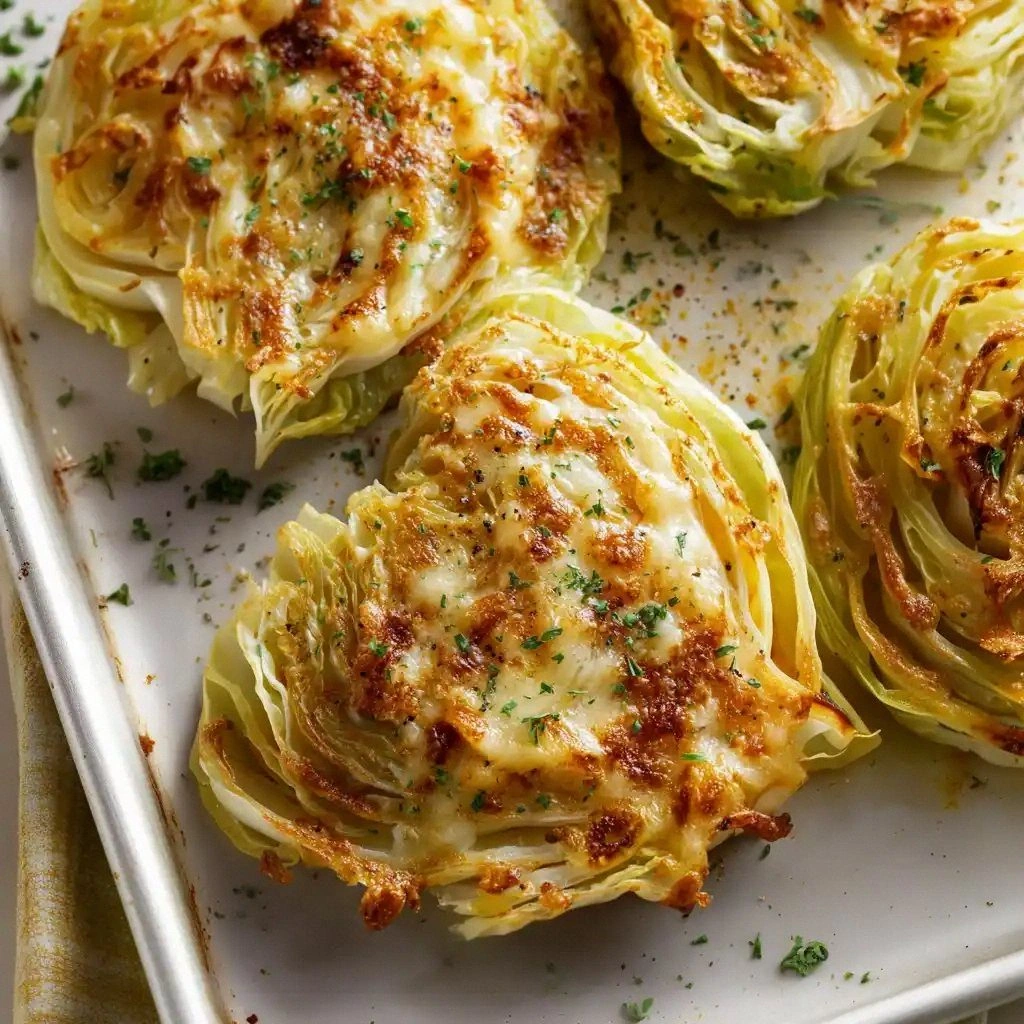
The Method — Step by Step
- Prepare the Cabbage: Slice the head of cabbage into ¾‑inch thick steaks, leaving the core intact to help the slices stay together. Trim any wilted or yellowed outer leaves. Pat the steaks dry with paper towels to remove excess moisture—this is key to achieving crisp edges. Set aside while you heat the pan.
- Heat the Pan: Place a large, heavy skillet over medium heat and add 3 tablespoons of olive oil. Let the oil heat until it shimmers but isn’t smoking—about 2 minutes. The pan should be hot enough that a single drop of water sizzles and evaporates instantly.
- Season the Cabbage: In a small bowl, whisk together 1 teaspoon garlic powder, 1 teaspoon onion powder, ½ teaspoon salt, ½ teaspoon black pepper, and ¼ teaspoon red pepper flakes. Sprinkle the mixture evenly over both sides of each cabbage steak. The spices will caramelize against the oil, forming a flavorful crust.
- Sear the Steaks: Place the seasoned cabbage steaks in the hot skillet, leaving space between each piece. Do not crowd the pan—if necessary, cook in batches. Let them cook undisturbed for 4–5 minutes until the edges turn golden brown and a crisp crust forms. This is the moment of truth; the aroma should be toasty and inviting.
- Flip and Add Cheese: Flip each steak over carefully with a spatula. Immediately sprinkle 1 cup of shredded cheddar cheese over the top of each steak. The heat from the pan will melt the cheese, creating a gooey, golden topping that adheres to the cabbage.
- Cover and Finish: Reduce the heat to low, cover the skillet with a lid, and let the steaks steam for 4–5 minutes. This step ensures the cheese melts evenly without burning the base. The cover traps steam, keeping the interior moist while the exterior stays crisp.
- Optional Kitchen Hack: While the steaks are steaming, drizzle a thin line of olive oil around the edges of each steak. This extra oil helps the edges crisp up even more and creates a beautiful, caramelized shine. It also adds a subtle buttery note that elevates the overall flavor profile.
- Finish with Parsley: Remove the lid, sprinkle 1 tablespoon of chopped fresh parsley over the steaks, and let them rest for 1 minute. The parsley adds a bright, fresh contrast to the rich cheddar and helps cut through the heaviness.
- Serve: Plate the cabbage steaks hot, optionally serving with a side of garlic aioli or a simple vinaigrette. The dish looks stunning as a centerpiece, and the crunch will leave guests asking for the recipe.
That's it — you did it. But hold on, I've got a few more tricks that'll take this to another level...
Insider Tricks for Flawless Results
The Temperature Rule Nobody Follows
Most people cook the cabbage on high heat and risk burning the exterior while leaving the interior undercooked. The secret is to start with medium heat, then lower it after the initial sear. This allows the cabbage to caramelize gently and the cheese to melt without scorching. I’ve seen even seasoned chefs over‑heat their pans and end up with a rubbery texture.
Why Your Nose Knows Best
The aroma of the cabbage as it cooks is a reliable indicator of doneness. When you smell a nutty, toasted fragrance, the edges are crisping properly. If the smell is more metallic or burnt, lower the heat immediately. Your nose is a better gauge than a timer, especially when working with a variable‑heat skillet.
The 5-Minute Rest That Changes Everything
After removing the steaks from the skillet, let them rest for five minutes. This pause allows the cheese to set slightly, preventing it from sliding off when you cut into the steak. It also lets the residual heat finish cooking the interior, ensuring a uniform temperature throughout. I’ve had friends try cutting right away and end up with a cheese avalanche.
Cheese Selection Matters
Not all cheddar behaves the same. A sharp, aged cheddar melts beautifully and adds a robust flavor, whereas a milder cheddar can result in a bland finish. If you’re looking for a deeper umami profile, try a smoked cheddar or a blend of cheddar and Gruyère. The key is a cheese that melts well and has a good balance of sharpness.
The Perfect Pan
A cast‑iron skillet is ideal for even heat distribution and excellent searing. If you don’t have one, a heavy stainless steel pan works as well. Avoid non‑stick pans for this recipe; the metal surface gives the cabbage the necessary bite and prevents sticking.
Add a Splash of Liquid
When you cover the skillet, add a splash of water or vegetable broth—just a tablespoon or two—to create steam. This trick keeps the cabbage moist without turning it soggy. The steam also helps the cheese melt more evenly, giving you that luscious, gooey texture.
Creative Twists and Variations
This recipe is a playground. Here are some of my favorite ways to switch things up:
Smoky Chipotle Version
Replace the red pepper flakes with chipotle powder for a smoky heat. Add a splash of chipotle‑infused olive oil before searing. The result is a deep, smoky flavor that pairs well with a cilantro lime dip.
Mushroom & Thyme Fusion
Sauté sliced mushrooms in the skillet before adding the cabbage. Sprinkle fresh thyme along with the garlic and onion powders. The earthy mushrooms complement the cabbage’s natural sweetness, creating a comforting, umami‑rich dish.
Mediterranean Twist
Swap cheddar for crumbled feta and add a handful of kalamata olives. Finish with a squeeze of lemon juice and a sprinkle of oregano. This version delivers a briny, tangy contrast that feels like a Mediterranean picnic.
Vegan Delight
Use a plant‑based cheddar that melts well and replace the olive oil with a light drizzle of vegan butter. Add nutritional yeast for a cheesy flavor boost. The dish remains creamy and satisfying while staying dairy‑free.
Breakfast Boost
Serve the cabbage steaks with a side of poached eggs and a drizzle of hollandaise. The creamy yolk and buttery sauce elevate the dish into a hearty breakfast or brunch option that feels indulgent yet balanced.
Gluten‑Free Grilled Style
Instead of pan‑frying, grill the cabbage steaks on a preheated grill pan or outdoor grill. Brush them with olive oil and season as usual. The grill marks add a smoky char that complements the cheesy topping.
Storing and Bringing It Back to Life
Fridge Storage
Store cooked cabbage steaks in an airtight container in the refrigerator for up to 3 days. Keep them on a plate lined with parchment to prevent sticking. When ready to reheat, sprinkle a few drops of water on top, cover loosely, and microwave for 45 seconds or until heated through.
Freezer Friendly
Place the cooled steaks in a freezer‑safe bag, removing excess air. They’ll keep well for up to 2 months. When reheating, thaw overnight in the fridge and finish in a skillet with a splash of olive oil to restore crispness.
Best Reheating Method
The skillet is the king of reheating. Warm a non‑stick pan over medium heat, add a teaspoon of olive oil, and place the steaks inside. Flip once, allowing the cheese to melt and the edges to crisp. A tiny splash of water before covering helps keep the interior moist.